Packaging guide
Choosing Packaging for Fragile Products
The two-box principle, how much cushioning is actually enough, and the drop test that tells you before your customers do.
Updated Sep 2, 2026
Fragile goods fail in transit for one reason above all others: the product moves inside the box. Cushioning matters, but immobilisation matters more.
Immobilise first, cushion second
A well-packed fragile parcel has the product held so it cannot shift, surrounded by material that absorbs shock. If you get the first part right, you need less of the second. If you get it wrong, no amount of void fill saves you — the product simply accelerates into the wall of the box.
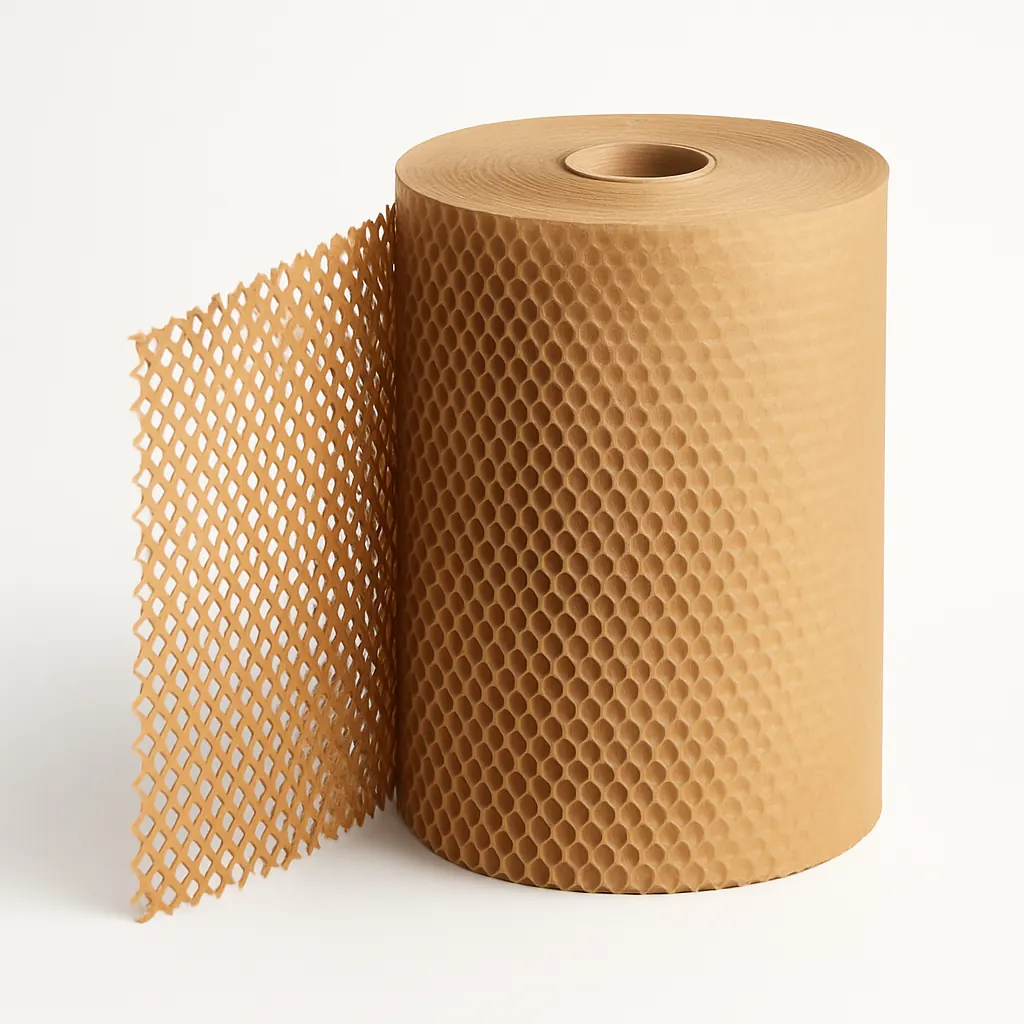
Honeycomb wrap is good at this specifically because the expanded lattice grips itself and the product, so a wrapped item stays wrapped without tape.
How much cushioning
A workable rule for parcel-carrier shipping: at least 50 mm of cushioning between the product and every wall of the box, including top and bottom. The bottom is the one most often forgotten, and it is the face most likely to be dropped onto.
That 50 mm on all six faces is why fragile goods need a box a size or two larger than the product alone suggests — and why they cost more to ship. Budget for it rather than trying to squeeze it out.
The two-box method
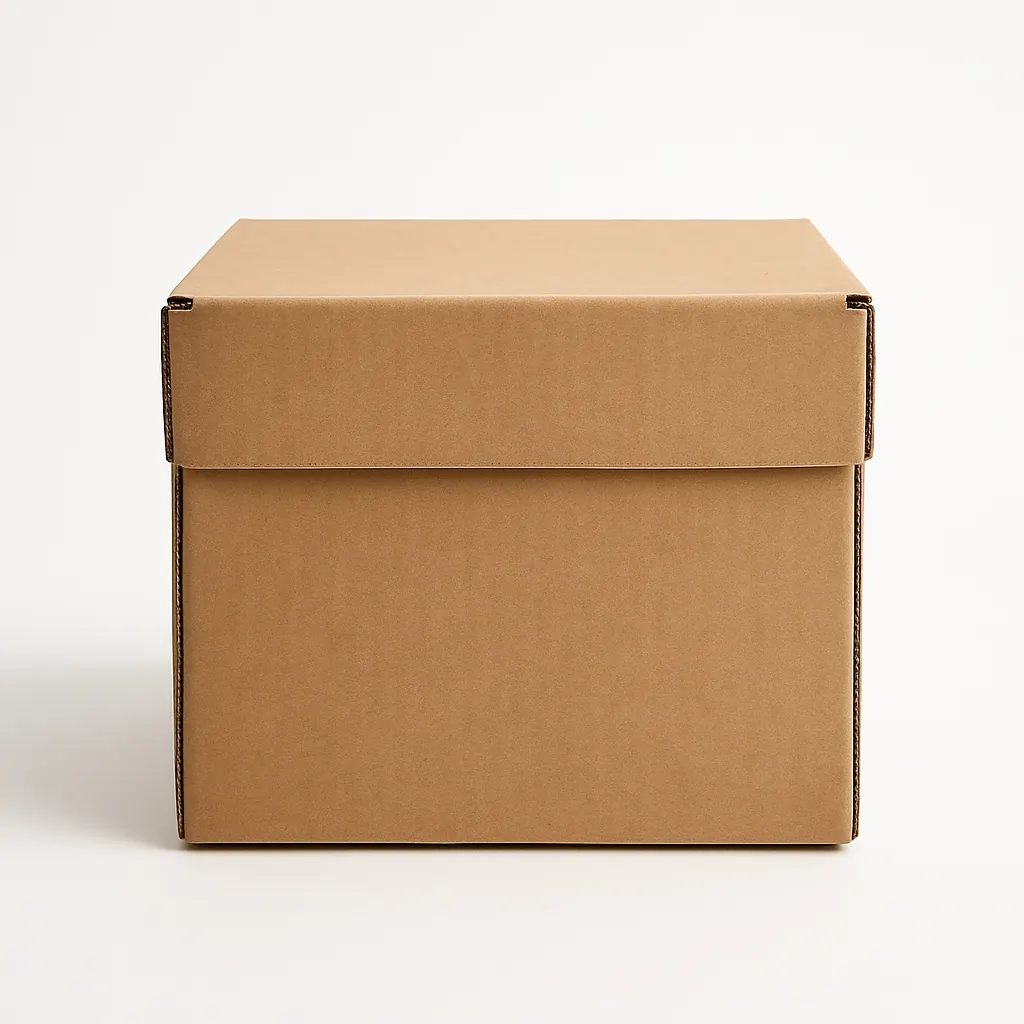
For genuinely fragile or high-value items, box the product in a close-fitting inner box, then suspend that box inside a larger outer shipping carton with cushioning on all sides. The outer box absorbs the impact and the inner box never touches it. It costs more in materials and is dramatically more effective than a single box with more padding.
Fill every void
Any empty space is space the product can travel into. After packing, close the box and shake it gently. If you can hear or feel movement, add more void fill and try again. This ten-second check catches most failures before they happen.
Test properly
Pack a real parcel with a real product and drop it from waist height onto a hard floor: flat on the base, then on a corner, then on an edge. This approximates what carrier handling does. If the product survives all three, your packing specification works. If it does not, you have learned it for the price of one unit rather than a run of damaged shipments and refunds.
Repeat the test whenever you change box size, cushioning material or supplier.
Label it, but do not rely on it
Fragile labels are worth applying and worth nothing to depend on. Parcels move through automated sortation that cannot read them. Design the packaging so it survives being dropped, then add the label.
Shipping something unusual? Describe it on a quote request and we will recommend a specification.
Products in this guide
Still not sure?
Tell us what you ship and roughly how much of it, and we will recommend a specification and price it.