Packaging guide
How to Choose the Right Shipping Box
Board grade, internal dimensions and the void-fill trade-off — the three decisions that determine whether your parcels arrive intact and what they cost.
Updated Sep 2, 2026
Most businesses choose boxes by eye and end up with two problems: parcels that rattle, and a shipping bill inflated by air. Both come from the same root cause — sizing the box to the product rather than to the packed product.
Start with internal dimensions
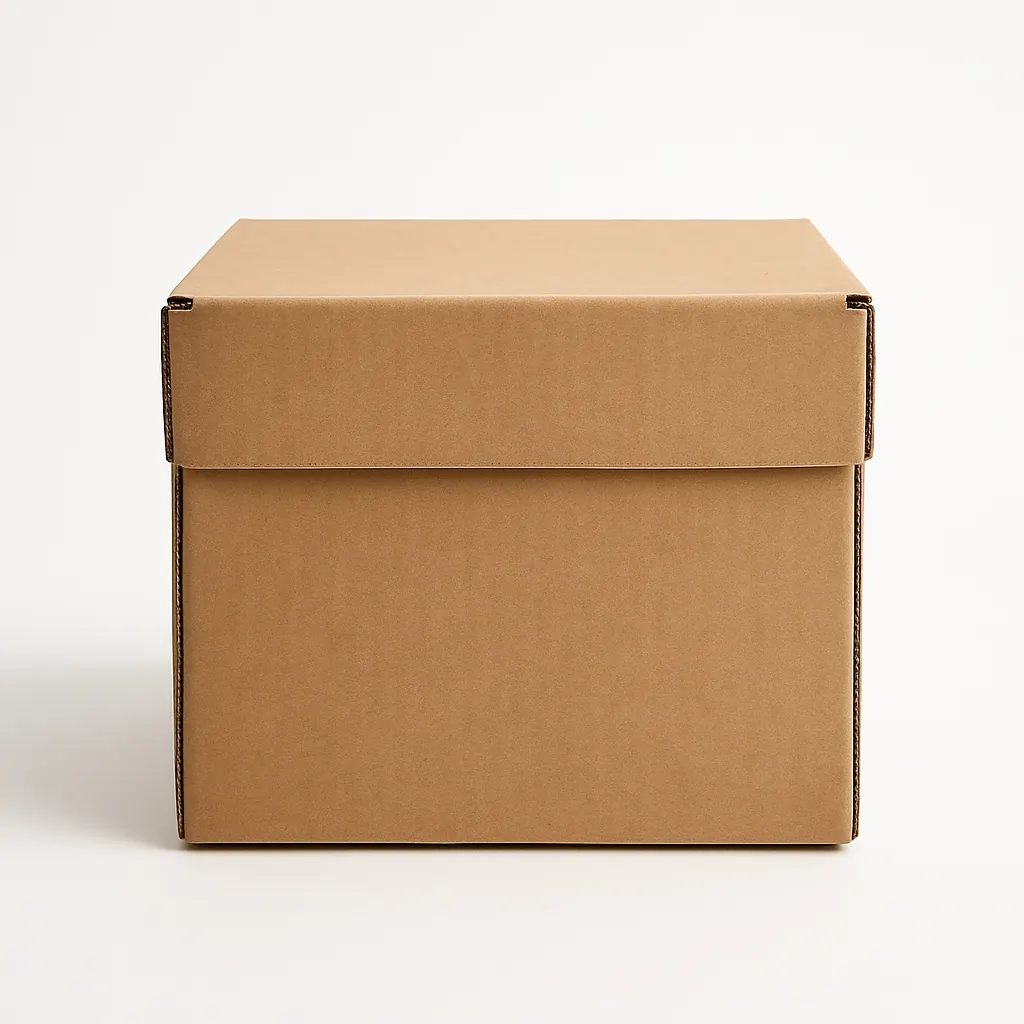
Corrugated boxes are quoted by internal length × width × height, because that is the space your product has to fit into. External dimensions are roughly 6–8 mm larger in each axis for single-wall board, and that is the figure to check against a carrier’s maximum parcel size.
Measure your product at its widest point in each axis. Add 20–30 mm per side for cushioning. Round up to the nearest stock size. If you land exactly between two sizes, take the smaller one and use a thinner void fill — the volumetric weight saving usually outweighs the extra protection.
Board grade in plain terms
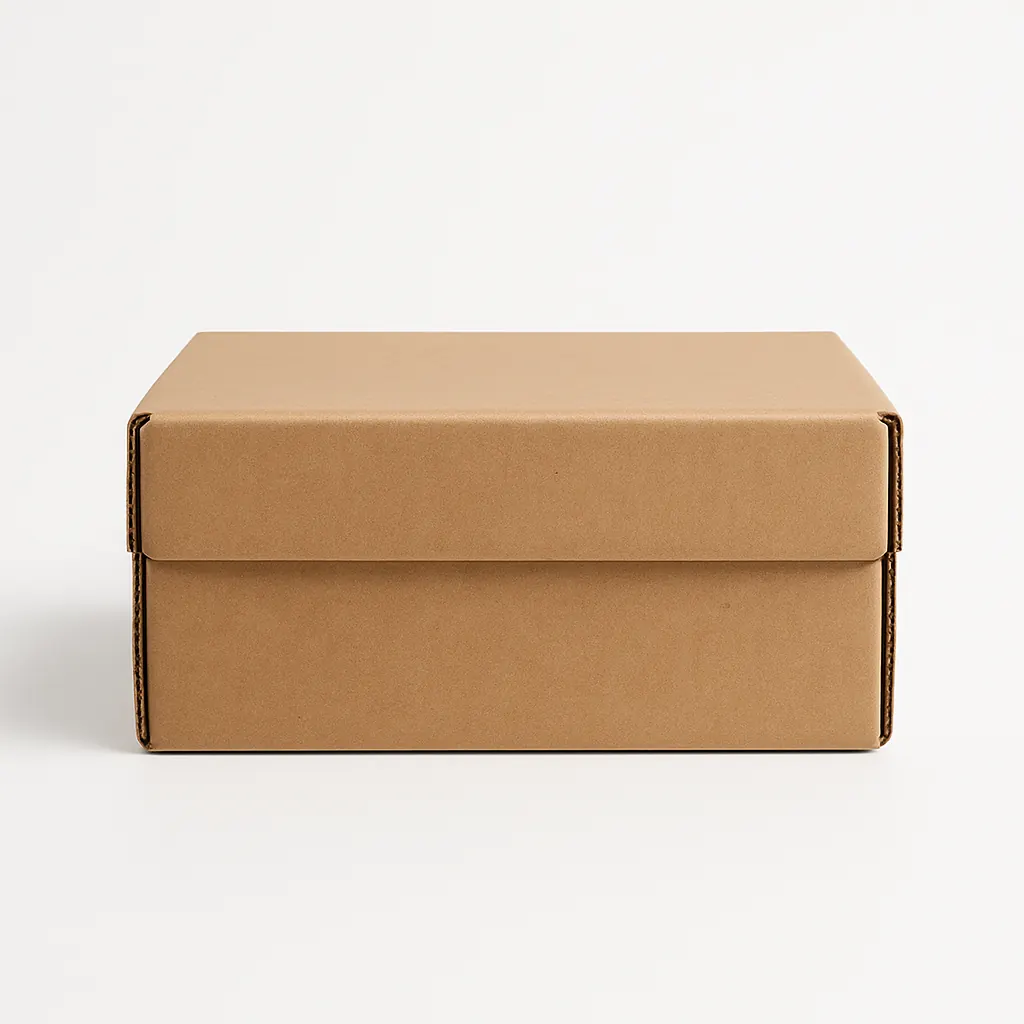
- E flute (1.5 mm) — thin and smooth, prints beautifully, rigid enough for light contents. This is what retail-facing mailer boxes are made from.
- B flute (3 mm) — the general-purpose ecommerce grade. Good crush resistance, fine up to roughly 15 kg.
- C flute (4 mm) — slightly more cushioning than B for the same weight class; common in larger cartons.
- Double wall — for heavy contents or anything that will be stacked on a pallet.
If you are shipping single parcels through a courier network and nothing weighs more than about 15 kg, single-wall B or C flute covers almost everything you will send.
The volumetric weight trap
Carriers bill on whichever is greater: actual weight, or volumetric weight calculated from the parcel’s dimensions. A light product in an oversized box is billed as though it were heavy. This is where box sizing quietly costs real money — a box one size too big on a thousand parcels a month is a meaningful annual number, and none of it buys you any additional protection.
A practical sizing exercise
- Take your five highest-volume SKUs.
- Pack each one the way you actually pack it, with cushioning.
- Measure the packed result and find the smallest stock box it fits.
- Check that box against your carrier’s dimension bands.
Most businesses find they can consolidate onto three or four box sizes. Fewer sizes means better quantity pricing, less bench confusion and simpler stock control.
When a box is the wrong answer
Flat items — books, prints, calendars — ship cheaper and safer in a book wrap, which holds them rigid without void fill. Soft goods that need no cushioning belong in a poly mailer. Reach for a box when the product needs rigid protection on all six faces.
Not sure which stock size fits your range? Check the full data sheet for internal dimensions and board grade, or send us your product dimensions and we will tell you which size to standardise on before you commit to a minimum order.
Products in this guide
Still not sure?
Tell us what you ship and roughly how much of it, and we will recommend a specification and price it.